On this page
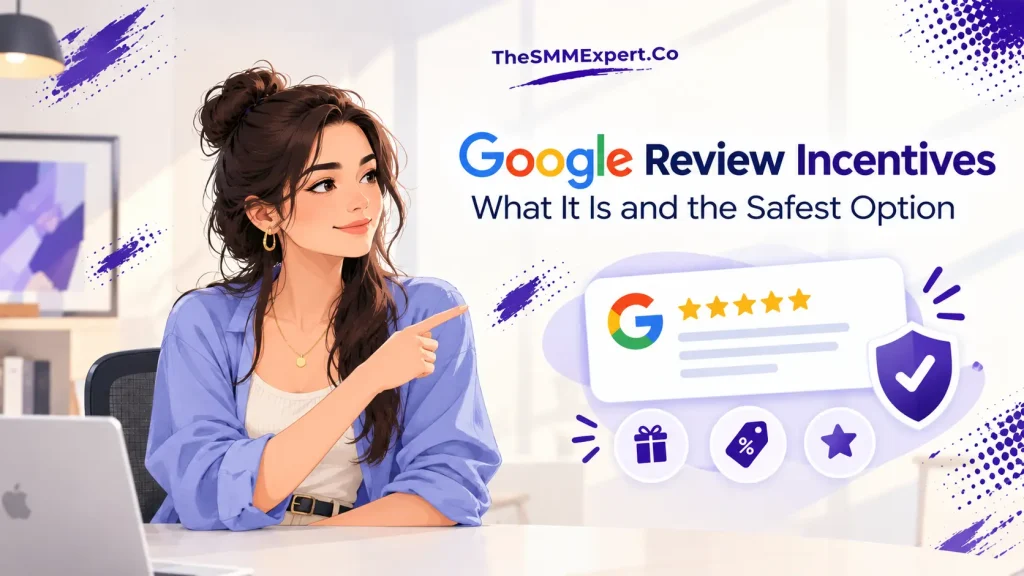
No. Using google review incentives can breach Google’s rules, especially when a reward depends on leaving a review or giving a positive rating. The worst realistic result is that Google removes the reviews, limits the business profile, or makes the reviews look unreliable to customers. A separate consumer-protection problem can also arise if people aren’t told about a paid or rewarded endorsement.
You can still ask for honest feedback from every customer. If a reward is tied to a review, don’t use it; if it’s offered for private feedback without asking for a public review, check the terms carefully.
The trade-off is simple: incentives may bring quick responses, but they can damage trust and your listing later. This approach isn’t for a business that needs guaranteed five-star results. The value will vary by industry and customer experience, so read your own review pattern—not just the star average.
Are review incentives safe?
Google review incentives are not safe when a reward is offered for posting, changing, or improving a review. A discount, gift card, free product, refund, contest entry, or loyalty credit can all create a problem when the customer must review to receive it.
A reward can influence whether someone posts at all, not only what they write. That makes the public rating less representative, even if the business never asks for five stars.
Ask customers neutrally after a genuine transaction, and give everyone the same opportunity to share feedback. Don’t ask only customers who seem satisfied, send review requests only after positive interactions, or ask unhappy customers to contact the business instead.
A thank-you for completing a private survey can be acceptable when it isn’t tied to Google. Keep the survey and reward separate from any public-review request. Don’t make the reward conditional on positive comments, and don’t direct only favorable respondents to Google. If a customer independently chooses to post a review, don’t ask them to revise it because they received a reward.
| Situation | Safe? | Why |
|---|---|---|
| Asking every customer for honest feedback | Yes | No reward affects feedback |
| Offering money for any public review | No | Payment influences participation |
| Offering a reward for five stars | No | It directly shapes sentiment |
| Giving a discount after private feedback | With care | Keep it separate from Google |
| Asking only happy customers to review | No | It can distort results |
| Running a review-writing contest | No | Competition encourages submissions |
| Replying to negative reviews politely | Yes | It doesn’t buy a review |
What review incentives can really cost
The main risk isn’t that every incentivized review will be removed immediately. The bigger issue is that the review no longer looks like an independent customer opinion, and Google may treat it as content shaped by the business. That can affect the review itself, the business profile, and customer trust.
Google’s user-contributed content policy prohibits content posted because of an incentive offered by a business. It also bars content created through a conflict of interest, such as a business arranging reviews in exchange for money, goods, or services.
The reward doesn’t need to be large to create this risk. A free drink, small coupon, entry into a drawing, or loyalty points still gives the customer a reason to post. A request such as “leave us five stars and get 10% off” is especially clear because it controls both participation and sentiment.
Even “leave a positive review” creates a problem, because it asks for favorable sentiment rather than an honest account. Asking customers to mention a specific product, employee, or talking point can create a similar appearance of scripting. A safer request is neutral: invite customers to share an honest experience without offering anything in return.
A less obvious problem is selective outreach. A business may send review requests only to customers who seem pleased, while sending unhappy customers to a private complaint form. Even without a reward, that process can make the public rating less representative. It may also conflict with a platform’s rules if it’s used to block or hide genuine negative feedback.
The Federal Trade Commission also cares about endorsements that involve a material connection. If a customer receives something of value for sharing an opinion, the connection may need clear disclosure under federal advertising rules. A disclosure doesn’t automatically make the practice acceptable on Google; a platform can impose stricter rules. It also doesn’t fix a request that requires a five-star rating.
The likely business cost depends on how the campaign is run and how visible it becomes. A single review may disappear with little effect, while a large batch can change the profile’s appearance and trigger complaints. Review removal also wastes the money or discount used to obtain the review.
Keep the outreach records, offer the same neutral invitation broadly, and don’t ask customers to revise or delete unfavorable feedback. If the reward is tied to posting at all, stop the campaign rather than relying on disclosure. The customer can lose trust when reviews sound alike, arrive in a sudden burst, or mention the same reward. The business may then spend more time answering complaints, replacing removed reviews, and explaining its process.
When review incentives should stop
Stop the campaign as soon as any sign appears:
- The offer says “five stars” or “positive review.” An incentive for an “honest” review can still violate Google’s rules if the customer must post anything to receive it.
- Customers must show a posted review to claim the reward. The reward is tied to public content; pause the offer even if no rating is named.
- Staff are told to ask only happy customers. Ask all customers through the same neutral process. Don’t route unhappy customers to a private form.
- A review disappears after the customer complains. Don’t ask the customer to delete or edit it, or hide criticism to qualify for a reward.
- Several reviews use the same unusual wording. Save messages, scripts, dates, and promotion terms before changing anything. Copied language can make otherwise genuine customer experiences look coached.
- Google warns, removes posts, or restricts the profile. Stop new review requests and new reward offers immediately, but don’t refuse rewards customers have already earned merely because the campaign has been paused. Check whether it concerns the profile, a review, or account access.
Don’t try to bypass a warning with new accounts, altered wording, or repeated submissions. Remove the incentive and pause campaign-generated review requests while you audit who was invited, what customers were promised, and whether anyone was screened out. Keep records; don’t delete them. If the problem involves account access, legal complaints, or a large review campaign, stop DIY changes. Speak with Google Business Profile support or a qualified advertising or consumer-protection professional.
How to request reviews without incentives
- Remove the reward from the public-review request. Delete language about discounts, gifts, points, contests, refunds, or free items. If an existing campaign links any reward to a Google review, pause it before sending more messages.
Keep purchase promotions separate; don’t tie them to a review.
- Ask for an honest experience from every customer. Use the same basic invitation for satisfied, neutral, and unhappy customers. Don’t promise a rating, and don’t suggest words such as “excellent” or “five-star.”
Select recipients by transaction criteria, not by expected sentiment.
- Separate private service recovery from public reviews. Give customers a normal way to report a problem, but don’t send unhappy people only to a private channel while sending happy people to Google. Customers must remain free to choose.
Put both options in one message when practical, and let customers choose.
- Use the customer’s real contact point. Ask through a receipt, normal follow-up email, SMS, or another channel the customer agreed to receive. Don’t buy contact lists or create accounts for customers.
Honor requests to stop future messages before sending again.
- Make the request easy but optional. Add the direct review link or QR code without making it a condition of a refund, discount, warranty, or future service. One clear request is better than repeated pressure.
Test the link on a phone before sending the request.
- Train staff on neutral wording. They can say, “Would you share an honest review of your experience?” They shouldn’t ask customers to remove criticism, change a rating, or mention a reward.
Staff shouldn’t write or submit the review for customers.
- Keep records of the process, not private opinions. Save the wording, audience, and date of the request. Don’t edit customer reviews or ask staff to post as customers. If a complaint arrives, answer it through the normal support process.
Record opt-outs before sending later requests.
What to do after using review incentives
Pause the incentive campaign first. Stop sending campaign messages, collecting proof of reviews, and offering new rewards linked to public posts; honor rewards already earned without requiring the review to remain posted. Disable automated messages and staff reminders so the offer can’t continue by mistake. Keeping the campaign active can create more affected reviews and make the problem harder to explain.
Next, list exactly what customers were promised and where the offer appeared. Check the email, receipt, sign, staff script, contest terms, and loyalty rules.
Record when the offer ran, which customers received it, what action earned the reward, and whether a reward was issued. Keep those records secure. Separate rewards for private product feedback from rewards that required a Google review; the wording and customer action matter.
Don’t ask customers to rewrite reviews or post a new version to hide the campaign. Don’t create replacement accounts, copy reviews, or pressure people to delete criticism. Don’t offer a refund or other benefit in exchange for removing a review. Those actions can add a second policy problem.
If a customer already posted because of the reward, stop using that review in advertising, on your website, or in social posts.
Ask a qualified consumer-protection professional how to handle disclosures, refunds, or rewards already issued. Don’t promise that a disclosure will fix a Google policy violation.
Check the Business Profile for warnings or removed content. Use Google’s official support process for account or profile issues, and keep copies of relevant messages.
Get professional help if the profile is suspended, a large number of reviews is involved, or a regulator or customer threatens legal action.
Your business can still request voluntary, honest reviews after the campaign ends. Use a neutral request sent to customers generally, not only to people who seemed satisfied. Don’t link any reward to posting, rating, or changing a review. A private-feedback survey should let customers answer honestly without steering them away from public reviews.
Conclusion
Before offering any reward for feedback, check Google’s current policies and local advertising rules. Build a process that invites honest opinions without tying them to ratings, and tell customers clearly when a review is encouraged or compensated. That approach protects trust and gives your business feedback it can’t dismiss as manufactured.
Frequently asked questions
Can I offer a discount for a Google review?
No. A discount tied to a Google review creates a reward for public content, even when you accept both good and bad reviews. It can also make the review look less independent to readers. You can offer a general loyalty discount that customers receive without reviewing, or ask for private product feedback under separate terms. Keep the two actions separate in the offer, checkout flow, and staff script.
Why are Google review incentives against the rules?
They’re restricted because the incentive can affect whether a customer posts and what the customer says. A review should represent a person’s genuine experience, not a transaction arranged by the business. The concern is stronger when the offer asks for a high rating, hides negative feedback, or targets only satisfied customers. Google’s policy and consumer-protection rules can apply at the same time.
How long should I wait before asking for a review?
There’s no universal waiting period that makes an incentive acceptable. Ask after the customer has had a fair chance to experience the product or service, and follow any contact rules that apply to your business. The useful check is whether the request is neutral, optional, and sent to customers generally. Waiting longer won’t fix a reward that depends on a public review.
Is it safe to reward private feedback instead?
Sometimes, but the wording and process must keep private feedback separate from Google reviews. Don’t require a public review, show proof of one, or change a rating before the customer receives the reward. Don’t use private feedback as a gate that unhappy customers must pass instead of reviewing publicly. If the reward offer could be read as payment for any public endorsement, get compliance advice first.
What happens if Google removes an incentivized review?
The review may disappear, and repeated or organized activity may lead to wider profile action. Removal doesn’t guarantee that the business will lose its whole listing, but it can reduce visible review content and trigger customer questions. Don’t repost the same text or create replacement accounts. Keep campaign records, stop the incentive, and use Google’s support process if the profile receives a warning.
Does it matter if the incentive is very small?
Yes. The value doesn’t need to be large for the customer to have a material reason to post. A coupon, free add-on, entry into a drawing, or loyalty points can still connect the reward to the review. The safer test isn’t the reward’s size. Ask whether the customer receives it because they posted, rated, edited, or displayed a public review.
Can I ask customers to change a bad review?
No. You can respond politely, correct factual errors, and offer a normal support route. You shouldn’t offer money, refunds, gifts, or special treatment in exchange for deleting or changing criticism. You also shouldn’t threaten a customer for posting an honest opinion. If the review contains private information, abuse, or content unrelated to an actual experience, report it through the platform’s proper process.
 Written byAbdul HalimAbdul Halim writes about online reputation management and the challenges businesses face when trying to build trust online. His content covers customer feedback, online reviews, how people see brands, reputation monitoring, negative feedback, and ways to maintain a strong online presence. Abdul shares simple steps businesses can use to learn what customers say, respond to reputation concerns, build credibility, and earn lasting trust. He wants to help people understand reputation management more easily and give businesses ideas for keeping and growing their online reputation.LinkedIn